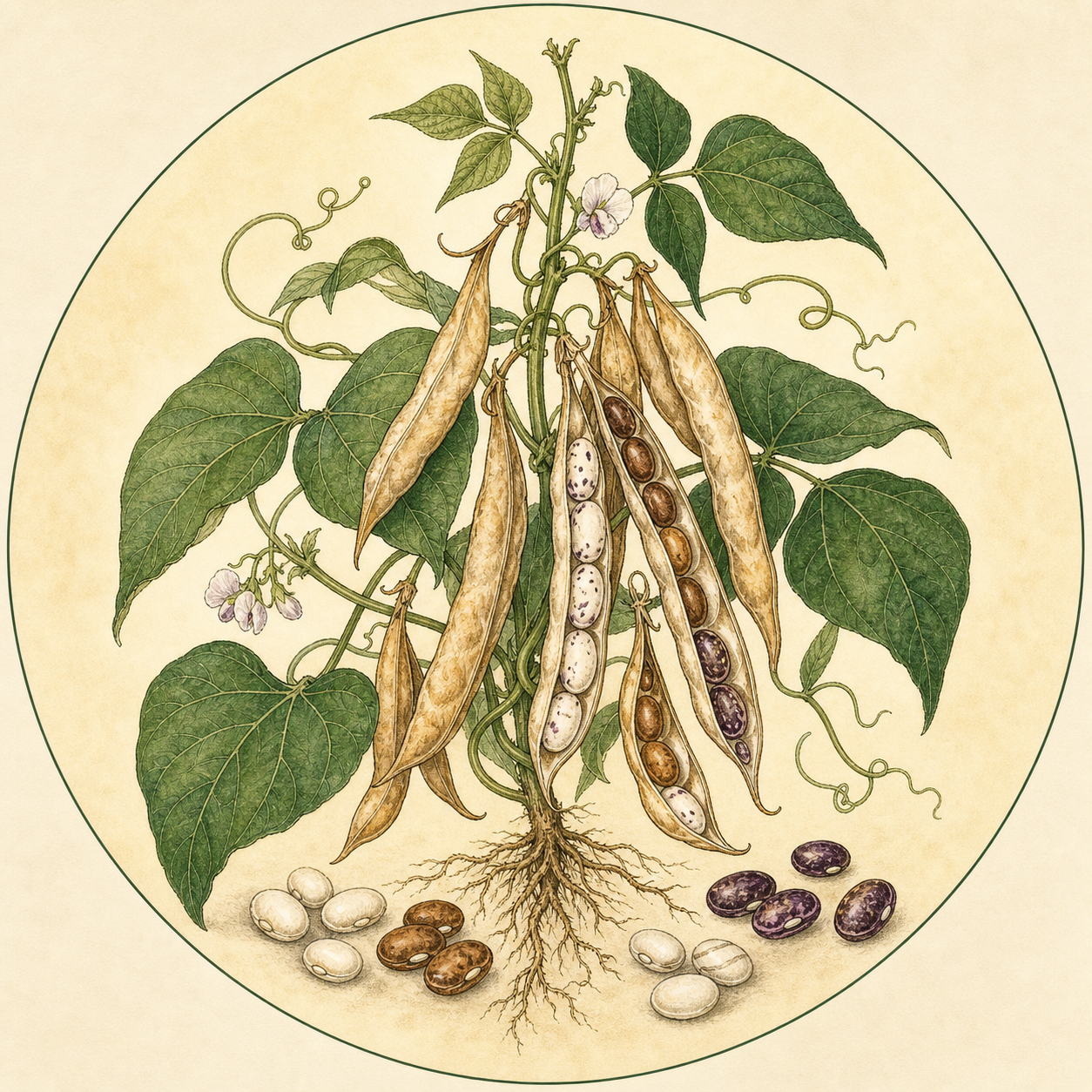
Mature stored beans
Beans for drying
Leave pods and seeds to reach full maturity, then dry the shelled beans thoroughly for winter storage.
- Habit
- Climbing or dwarf
Core crop group · 6 crops
From early broad beans to climbing crops and mature beans for winter storage, this is a varied group united by pods, seed harvests and distinctive ways of using vertical space.
The group in brief
Six ways into the group
Each crop has its own sowing, spacing and harvest guide. Start with the crop you want to eat or store, then choose a variety whose habit suits the available space.
Leave pods and seeds to reach full maturity, then dry the shelled beans thoroughly for winter storage.
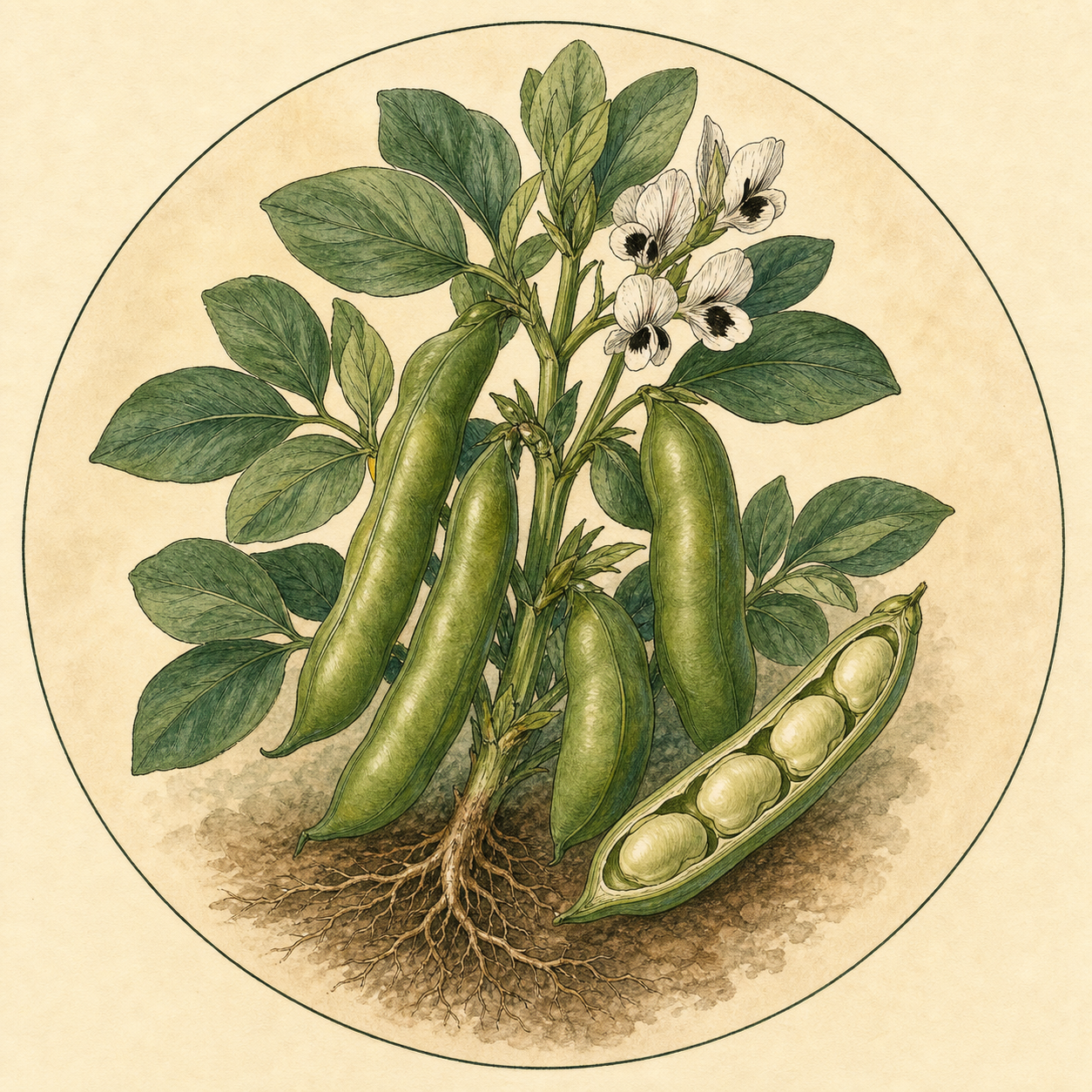
Productive upright plants that can provide one of the earliest bean harvests of the growing year.
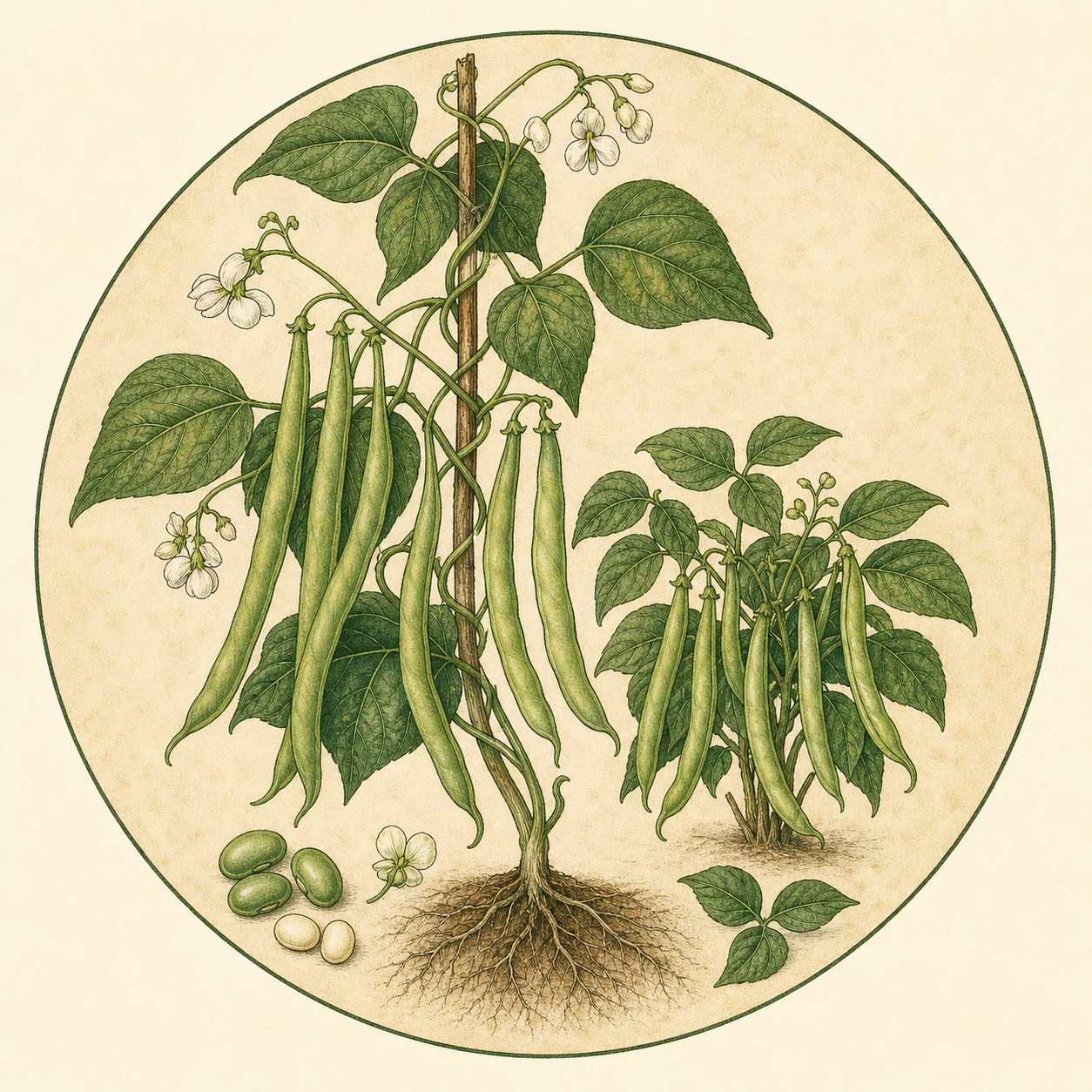
Climbing and dwarf forms grown for young pods, with suitable varieties also matured for drying.
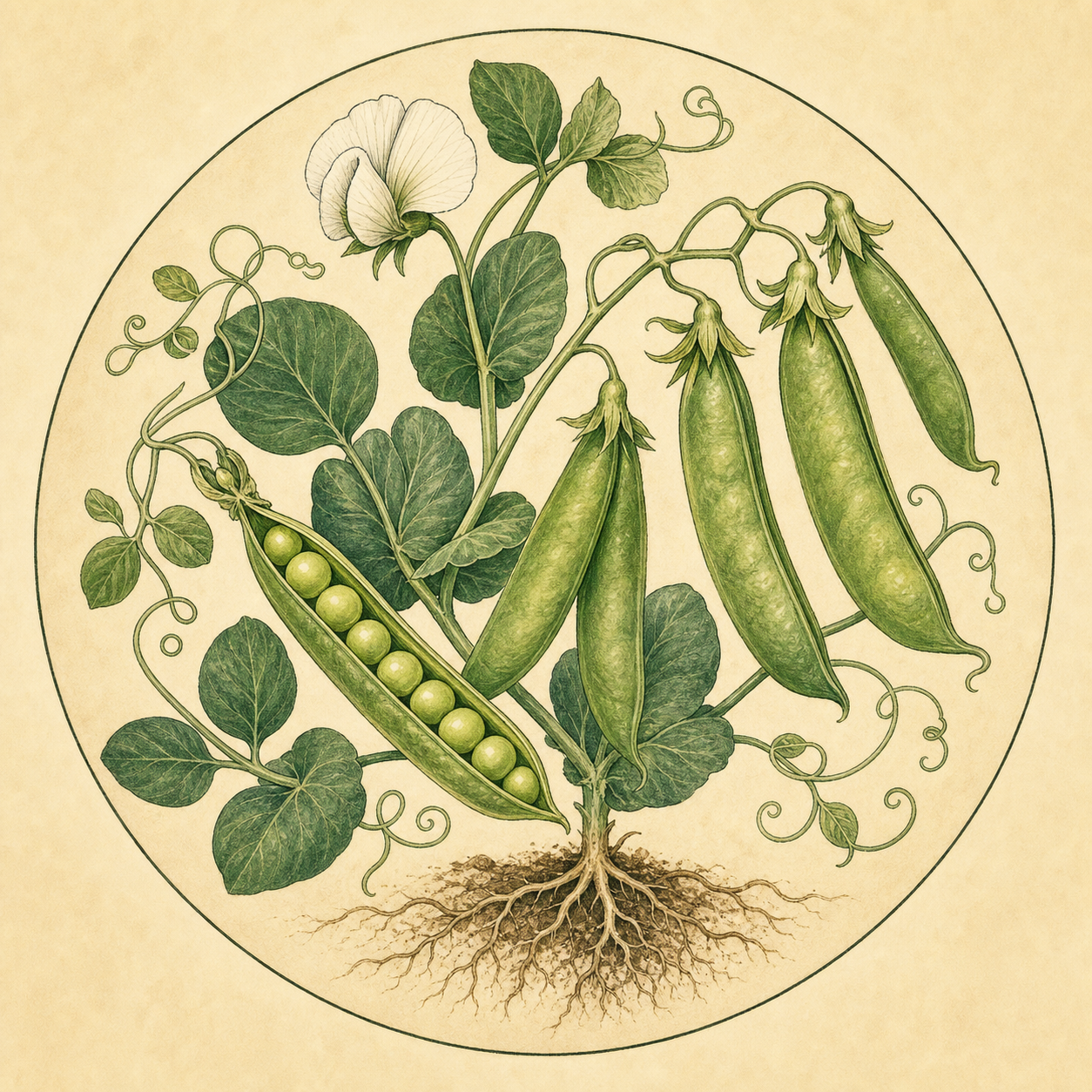
Pod-producing legumes with crop- and variety-specific support, spacing and harvest requirements.
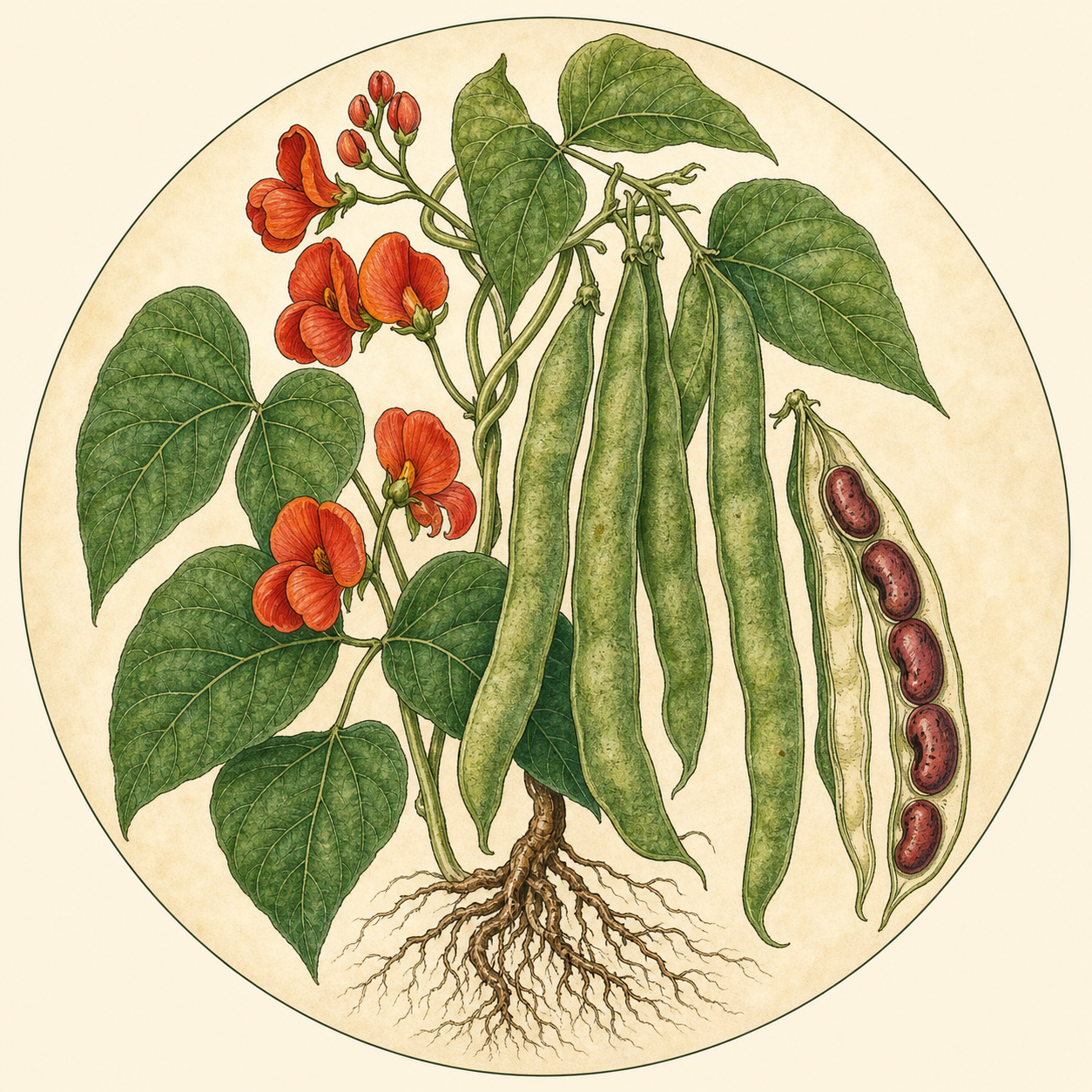
Vigorous climbers commonly picked as fresh pods, with suitable varieties also left to mature.
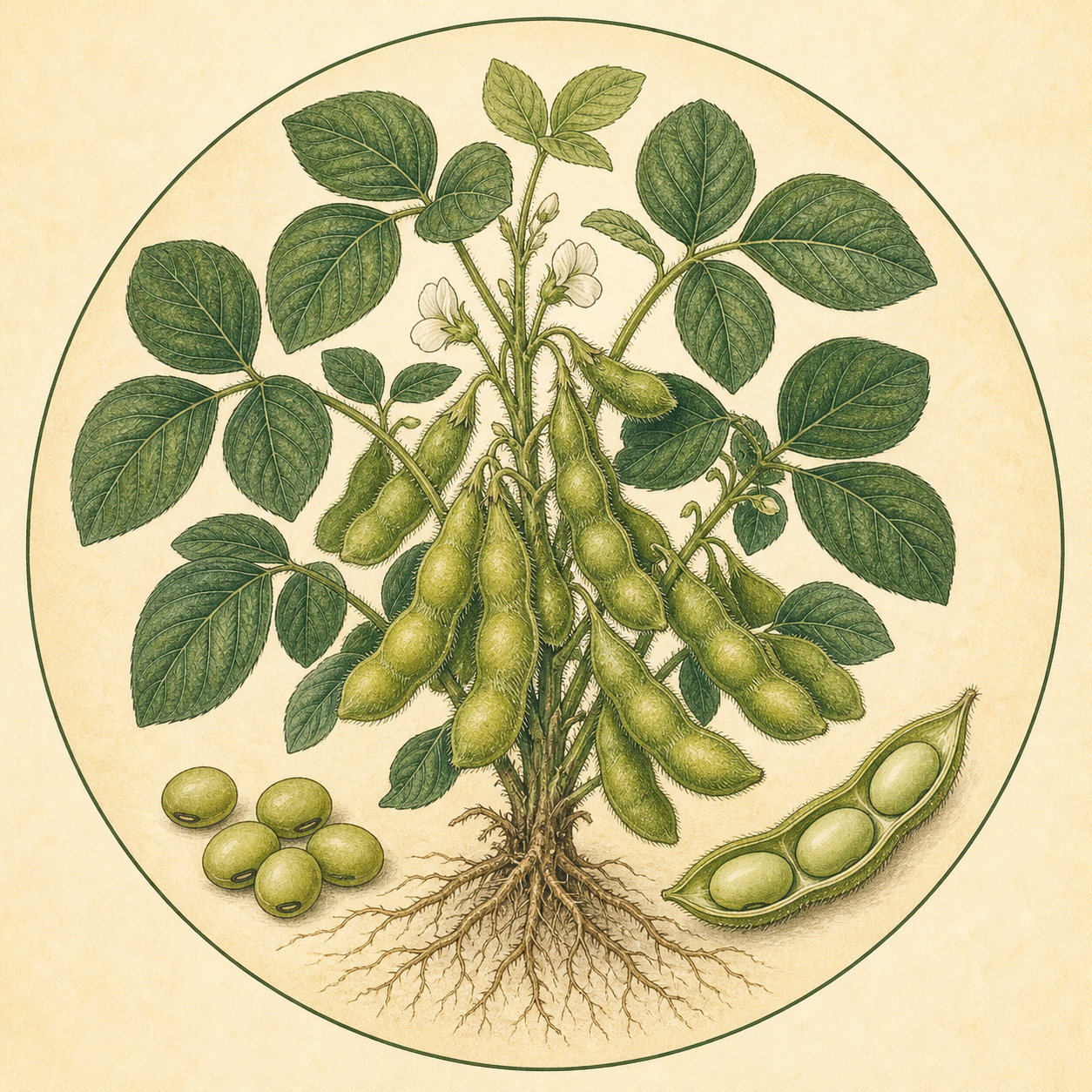
Warmth-dependent edible beans whose complete UK requirements belong in their individual crop guide.
Fresh, shelled or stored
Beans for drying occupy the ground for longer because the seed must reach full maturity. Broad beans are harvested earlier and can extend the season through suitable autumn, late-winter and spring sowings.
Climbing plants make productive use of height but need a secure structure. Dwarf and compact varieties need less height and can be useful for containers, smaller plots or exposed positions.
Group advice helps with orientation. The individual crop and variety guide remains authoritative for sowing, spacing and care.
Rows, stations and supports
This group demonstrates why one universal “bean spacing” would be misleading. Broad beans, dwarf beans and climbing beans use materially different layouts.
Broad beans can use single or paired rows, while dwarf drying beans need enough airflow and clearance to keep low pods away from damp ground.
Install A-frames, X-frames, wigwams or trellis before planting so young roots are not disturbed later.
Compact varieties may suit limited space. Container suitability belongs to the selected crop or variety rather than the whole group.
A long and varied season
Suitable varieties may be sown in mild, sheltered and freely drained conditions for an early crop.
Protected starts and successive outdoor sowings extend the potential harvest into summer.
Start indoors for a longer season or wait until frost has passed and outdoor soil is genuinely warm.
Pick fresh crops at their best or leave drying beans until pods become dry, shrivelled and brittle.
Steady growth and strong structures
Pay particular attention around flowering and pod development. Containers and vigorous climbers may need more frequent attention than established plants in open ground.
Organic mulch can conserve moisture and reduce weed competition. Keep it clear of young stems while plants establish.
Check structures after strong weather, guide climbing stems back into place and support taller broad-bean rows before they lodge.
Slugs, snails and black aphids can damage vulnerable growth. Crop-specific problem guidance explains the appropriate response.
Pods, shelling and seed
Harvest young and tender according to crop and variety.
Allow pods to fill, then harvest before the seed becomes hard and dry.
Pick dry, brittle pods and finish drying shelled beans until they are completely hard before storing.
Six distinctive cultivars
These examples come from the two reviewed member guides. Each variety remains attached to one parent crop.
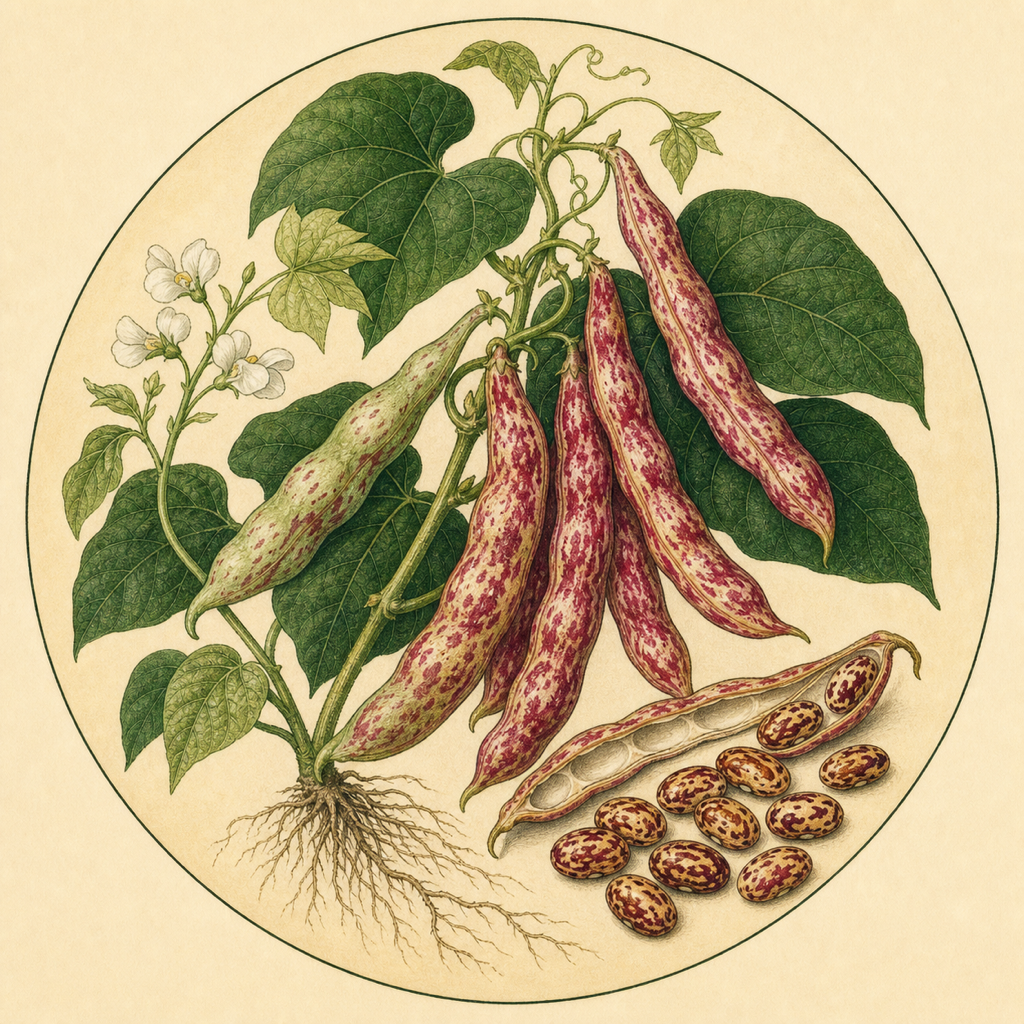
An Italian borlotti bean offered in climbing and dwarf forms, with red-marbled pods and mottled mature beans.
Guide in preparation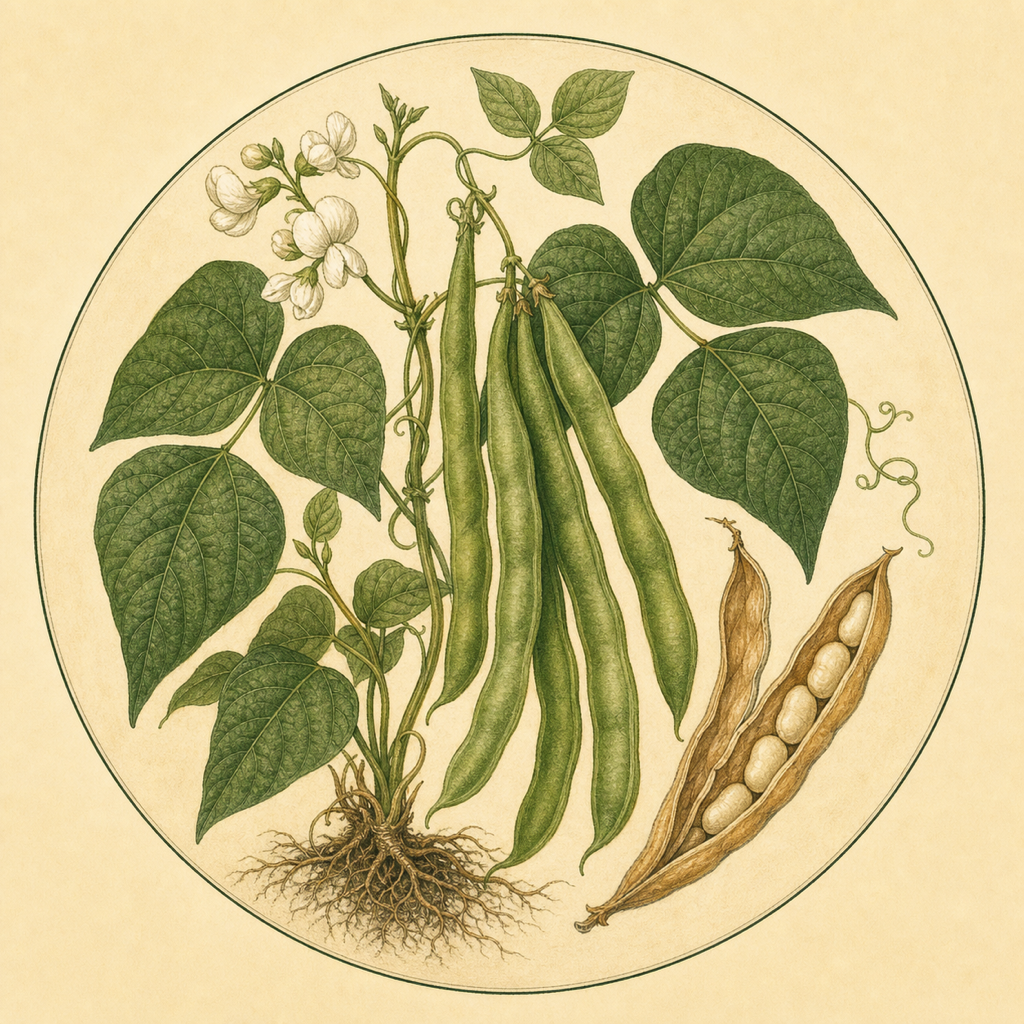
A climbing dual-purpose bean whose pods can be picked young or left to mature for drying and storage.
Guide in preparation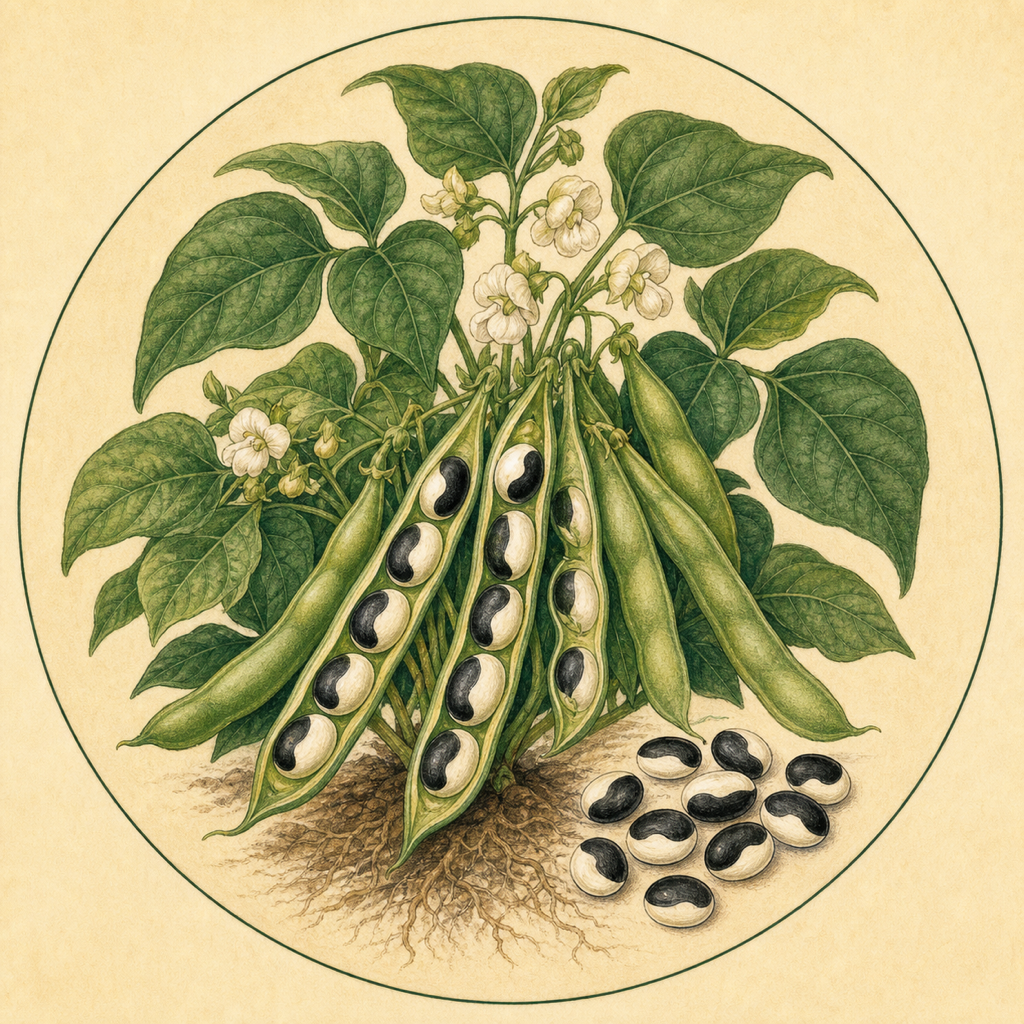
A compact dwarf variety producing distinctive mature beans patterned half black and half white.
Read variety guide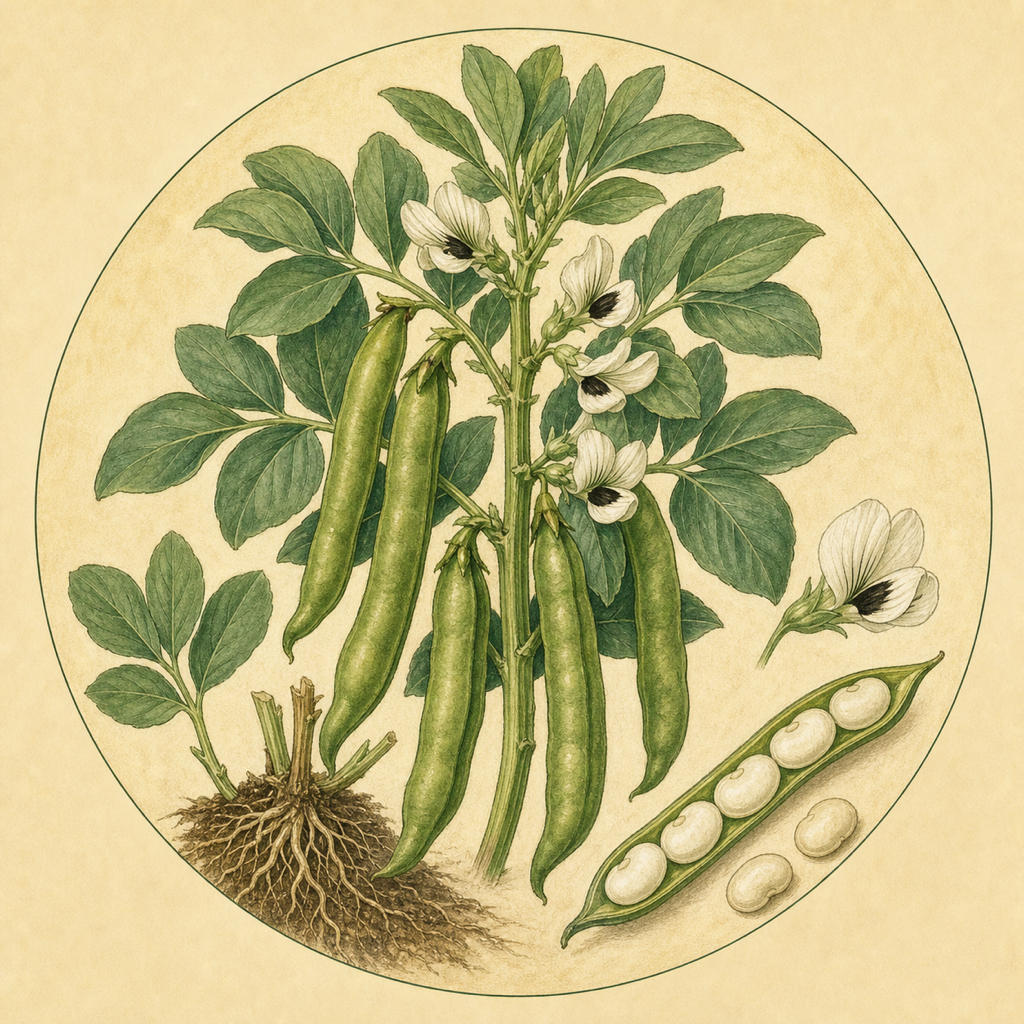
A leading choice for suitable autumn sowing and overwintering, producing long pods that mature early.
Guide in preparation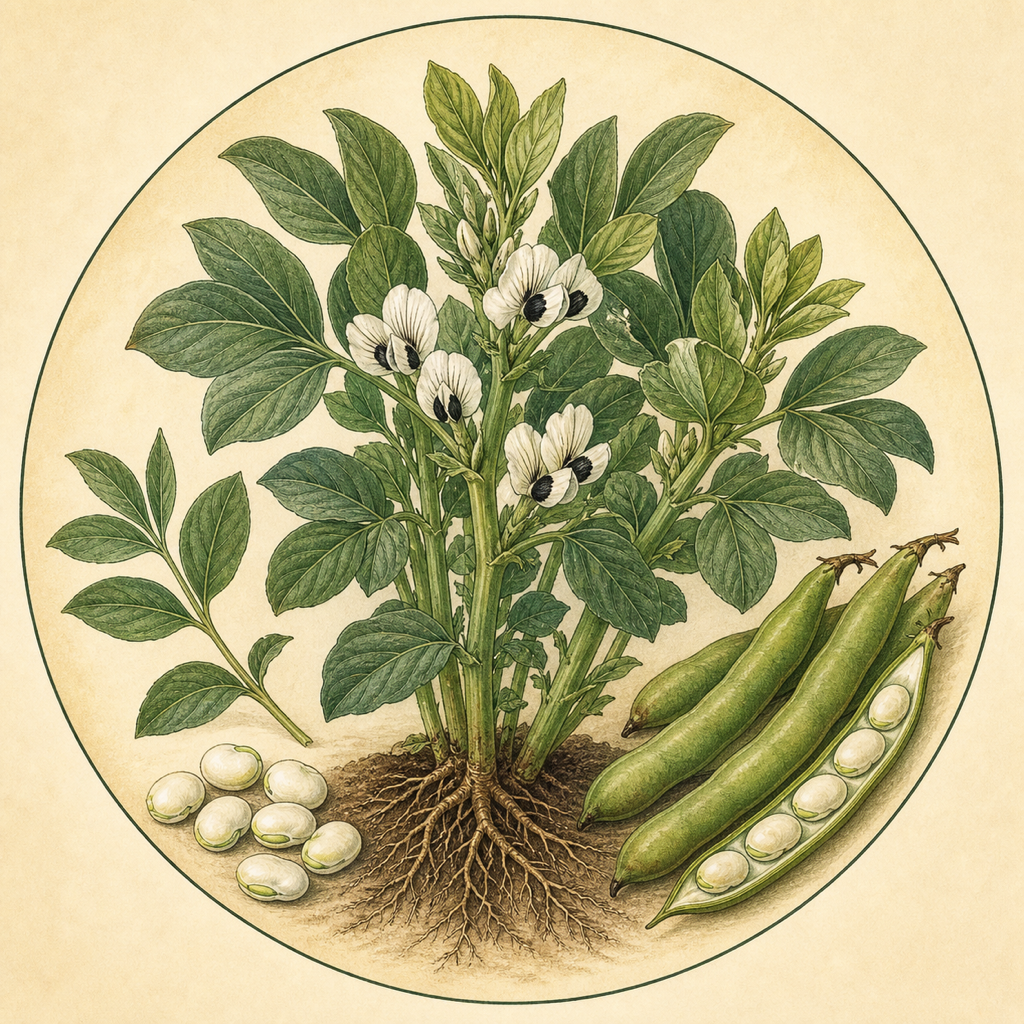
An early dwarf broad bean useful for containers, small spaces and windy gardens.
Guide in preparation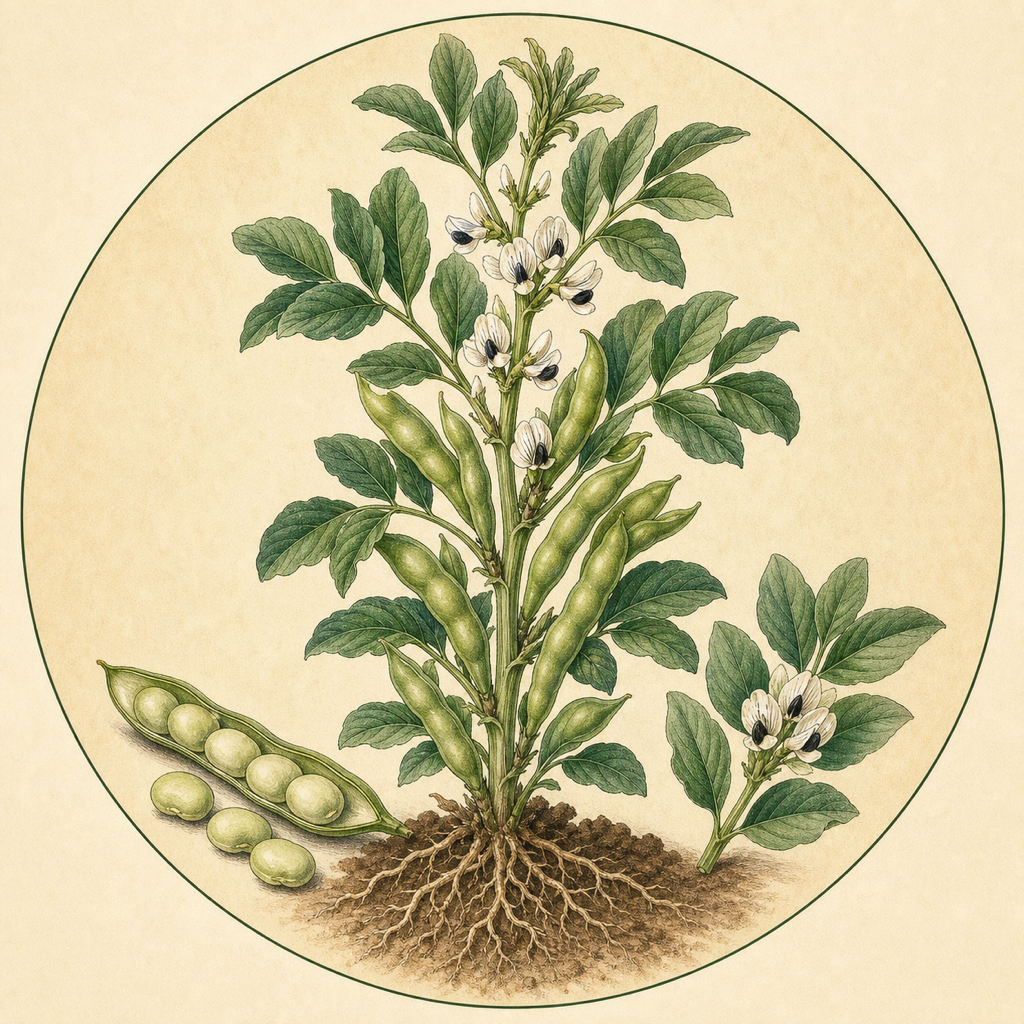
A fast-growing spring-sown broad bean with an early crop of long pods.
Guide in preparation